How Bitcoin ATMs Provide a Private Option for Turning Coins to Cash
Let’s be real.
Not everyone wants their financial life packaged into a spreadsheet and handed over to a third party. Maybe you’re not trying to hide anything—but do you really want your crypto transactions tied to your bank, your ID, and your browsing history?
Didn’t think so.
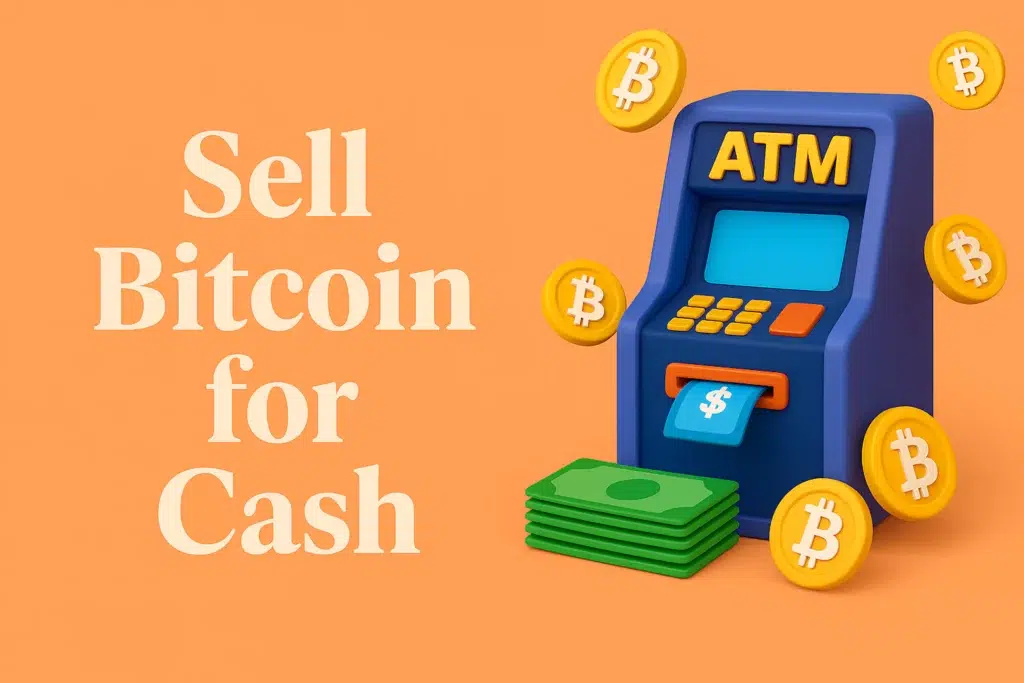
Enter the Bitcoin ATM—a quiet, convenient way to turn your coins to cash without the digital paper trail of traditional exchanges. For users who care about privacy, autonomy, or just skipping the usual rigmarole, Bitcoin ATMs offer something online platforms rarely do: discretion.
But how private are they really? And what should you know before heading out to use one?
Let’s break it down.
Online Cash-Out: A Trail of Clicks, IDs, and Approvals
If you’ve ever tried to cash out crypto online, you already know the drill:
- Upload your government-issued ID
- Link your bank account
- Verify your phone number
- Take a selfie holding your ID next to a timestamp
- Wait 1–3 business days for the transaction to “settle”
All for what? To access money you already own?
For many users, especially those who value privacy or live in areas where traditional banking access is limited, that’s a big ask.
Bitcoin ATMs: The Low-Key Way to Go
Bitcoin ATMs flip the script. They let you interact with the crypto economy in the physical world—without handing over your entire identity portfolio.
Here’s how they protect your privacy (especially for small transactions):
- No bank account required – You deal in cash. No need to connect cards or financial institutions.
- Minimal verification for low-volume use – Many machines let you cash out small amounts (often under $900) with just a phone number.
- No long digital trail – You’re not logging in from your laptop, connected to a profile, IP address, or browser fingerprint.
It’s not anonymous in the extreme—but it’s a whole lot less revealing than sending your info across five different platforms.
When Do You Need to Verify?
Let’s be honest—there is some verification involved, especially if you’re withdrawing larger sums.
Most Bitcoin ATMs are tiered, like this:
- Tier 1: Cash out small amounts (often $20–$900) with just a mobile number
- Tier 2+: Bigger transactions require photo ID, maybe even a selfie or other documents
This structure allows casual users to maintain some privacy, while still aligning with financial regulations.
Translation: yes, there are limits—but they’re not intrusive unless you’re pushing volume.
Why Privacy Still Matters in 2025
We live in a world of constant tracking: location data, purchase history, app usage, even your typing speed. In that environment, having a semi-private way to convert coins to cash isn’t just convenient—it’s a rare form of financial freedom.
Whether you:
- Want to gift cash discreetly
- Need quick access without alerting your bank
- Prefer not to mix your crypto activity with your daily accounts
- Simply value your autonomy
…a Bitcoin ATM gives you the option to stay in control.
Things to Keep in Mind
Even private tools work best when used smartly. So:
- Use a secure, non-custodial wallet
- Double-check your receiving/sending addresses
- Be discreet when handling cash
- Don’t rely on anonymity for illegal activity—these machines still comply with laws and will flag suspicious use
This isn’t about hiding—it’s about choosing what you share, and when.
Final Word: Privacy Is a Feature, Not a Luxury
Cashing out crypto shouldn’t feel like applying for a mortgage. You shouldn’t need a portfolio, a login, or a digital handshake just to get your money.
A Bitcoin ATM lets you sidestep the noise—no banks, no waiting, no oversharing.
Because your money should work for you. Not the other way around.